The Illustrator's Blank Page Problem
Every illustrator knows the fear of the blank page. Not because there's nothing to draw — because there's too much. A thousand possible lines, and only one gets made.
The best illustrators don't wait for the perfect idea. They make marks first and find the idea inside them. Sketchbooks aren't for finished work — they're for permission to be wrong on the way to being right.
Digital tools made it easier to undo a mistake, but harder to trust a first instinct. The undo button is useful. It's also a small, constant invitation to doubt yourself.
Illustration isn't about drawing what's there. It's about drawing what a photograph can't — the feeling underneath the thing, not just the thing itself.
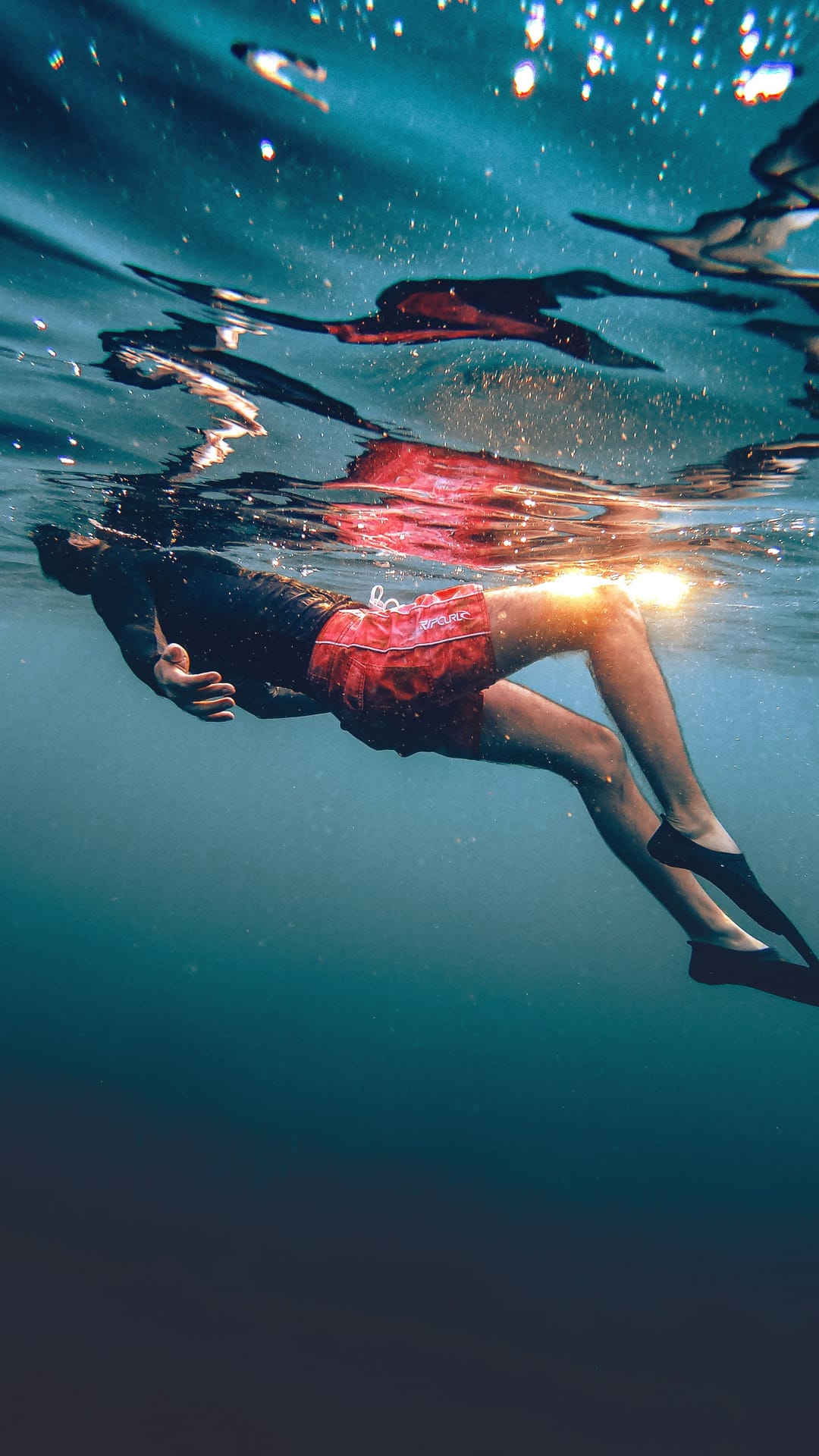
Color is where a lot of illustrators start second-guessing themselves. There's no wrong answer, only an unfinished conversation between the palette and the mood you're chasing. A single warm accent on an otherwise cold page can carry more emotional weight than a whole spectrum used evenly.
Style is often mistaken for a fixed identity, but it's really just the residue of a thousand small decisions repeated often enough to become recognizable. Nobody sets out to have a style. They set out to solve the same kind of problem over and over, and the style is what's left behind.
Mistakes on the page aren't failures — they're data. A line that goes wrong tells you something a line that goes right never will: where the hesitation was, where the hand didn't trust the eye yet. Illustrators who improve fastest are usually the ones who stop erasing and start studying.
There's a reason illustration outlives most other visual trends. A photograph documents a moment that already happened. An illustration documents a moment that never did — and somehow, that's the one people remember longer.